
Second Check

Growth doesn’t always fail because people quit.
More often, it fails because the first win is misunderstood.
A small result appears.
Income starts moving.
Something works once — then twice.
At that point, most stories stop.
This issue doesn’t.
These cases aren’t about ambition, vision, or scaling fast.
They’re about what survives repetition.
What keeps working after novelty fades.
What still holds when effort is no longer enough.
Today’s stories show where the first signal appears.
Operating Reality shows what happens after the second check.
This is not about what’s possible.
It’s about what’s sustainable.
📌 Today's Stories
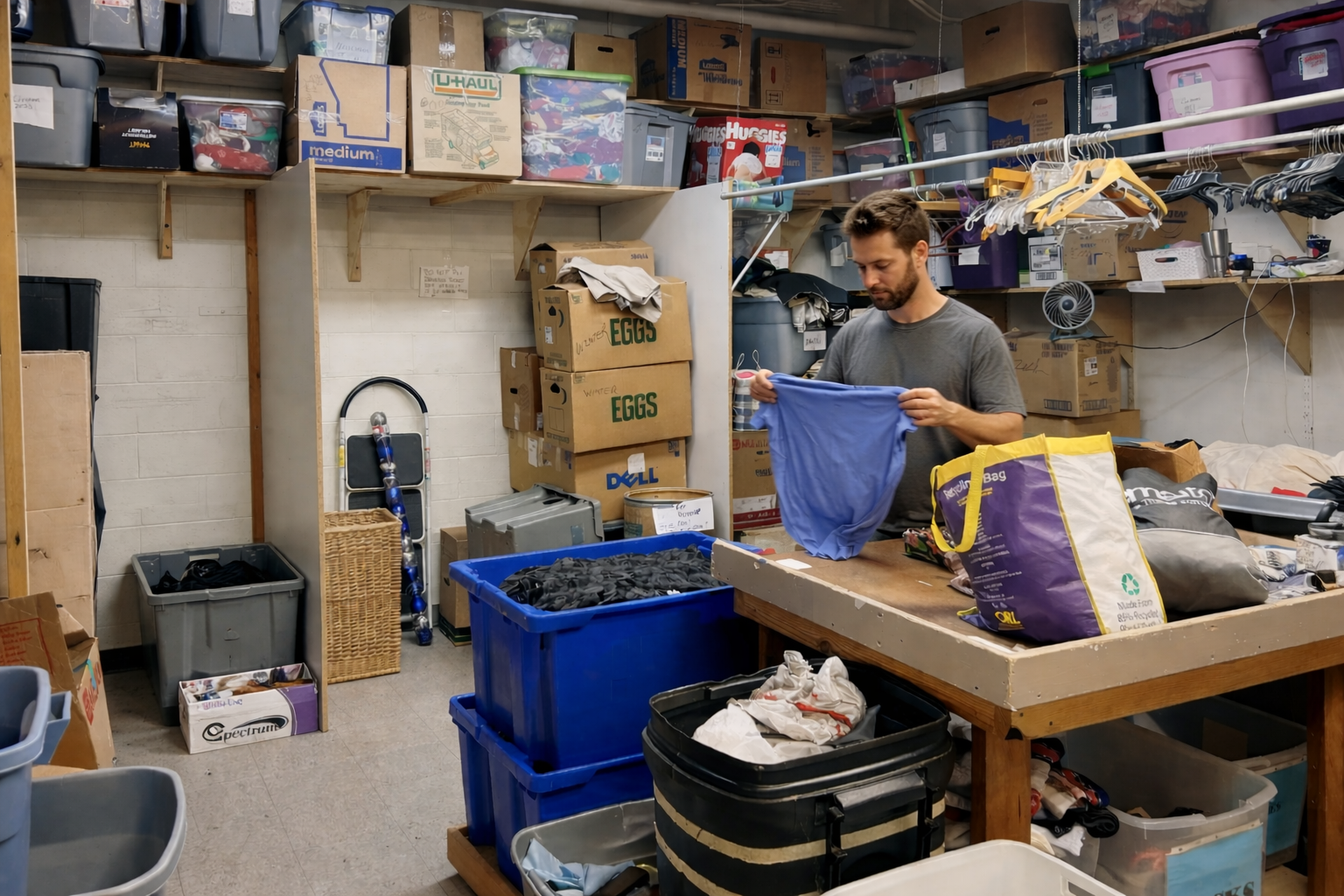
No product.
No differentiation.
No attempt to expand beyond one person’s capacity.
He visits the same op shops.
Buy the same categories.
Resells through the same channels.
The work is manual and local.
The income is predictable.
Nothing in the setup depends on attention or growth.
That’s why it holds.
The lack of a degree wasn’t overcome.
It was bypassed.
A single skill was applied directly to paying demand.
Delivery stayed narrow.
Iteration reduced variance, not scope.
Income increased as uncertainty decreased.
The story isn’t about upward mobility.
It’s about eliminating assumptions that didn’t affect payment.
The side hustle was already producing repeat revenue.
The job was fixed hours with capped upside.
Quitting didn’t introduce risk.
It removed a constraint.
Afterward, execution tightened.
Experiments narrowed.
Output became easier to predict.
The seven-figure outcome comes later.
The decision point comes much earlier.
⚙️Operating Reality
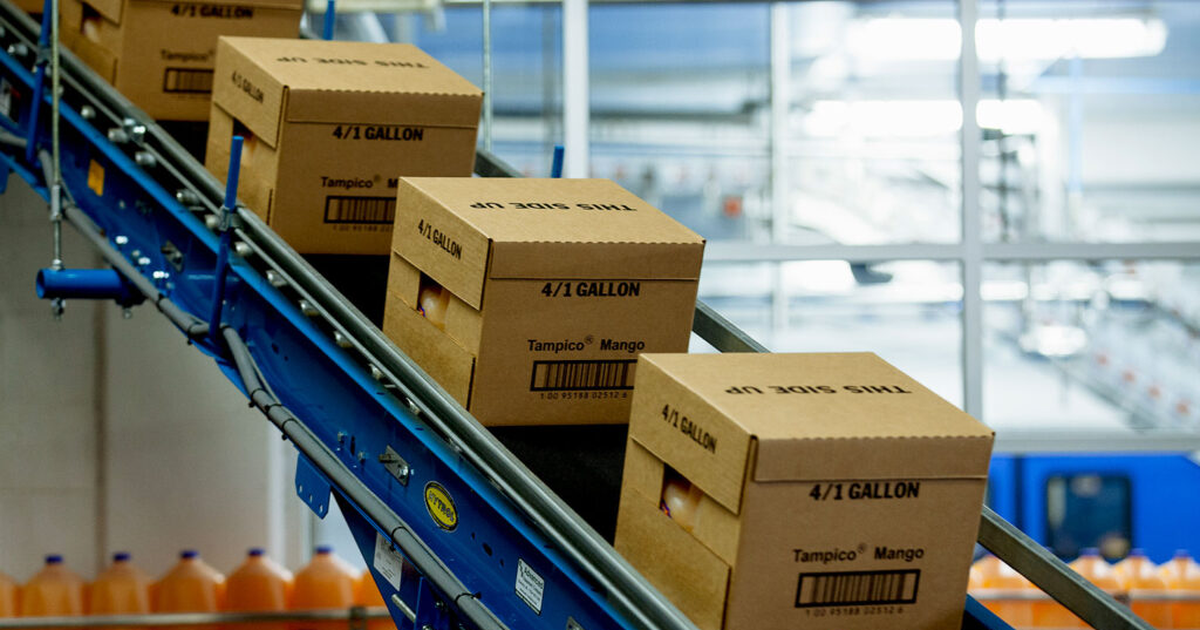
Friends Started a Side Hustle That Saw $250K in Year 1 — Now It Does Over $10M in Annual Sales
Year one looked simple.
Two founders.
A side hustle.
$250,000 in revenue.
What followed wasn’t growth.
It was exposure.
Volume didn’t reward effort.
It surfaced constraints — in fulfillment, cash flow, people, and process.
What worked before stopped working.
Repeating the same actions increased cost.
Personal output flattened.
Decisions multiplied.
Delay became expensive.
This didn’t survive because the idea was good.
It survived because structure replaced tolerance.
After the second check, nothing runs on motivation.
Takeaway
Second Check isn’t a strategy.
It’s the operating model.
Reflection

After the first result,
the frame usually shifts.
What felt light gains weight.
What repeatedly reveals cost.
Nothing collapses.
It simply stops being forgiving.
The work is the same.
The meaning is not.